English edition

Gardens, cities, and the quality of everyday life.

Tang-Yu Life follows the ways places are shaped—not only through design, but through history, use, care, and time.

A long-form editorial platform published by Tangyu Development. The English edition presents selected essays whose subjects can travel meaningfully across places and languages.

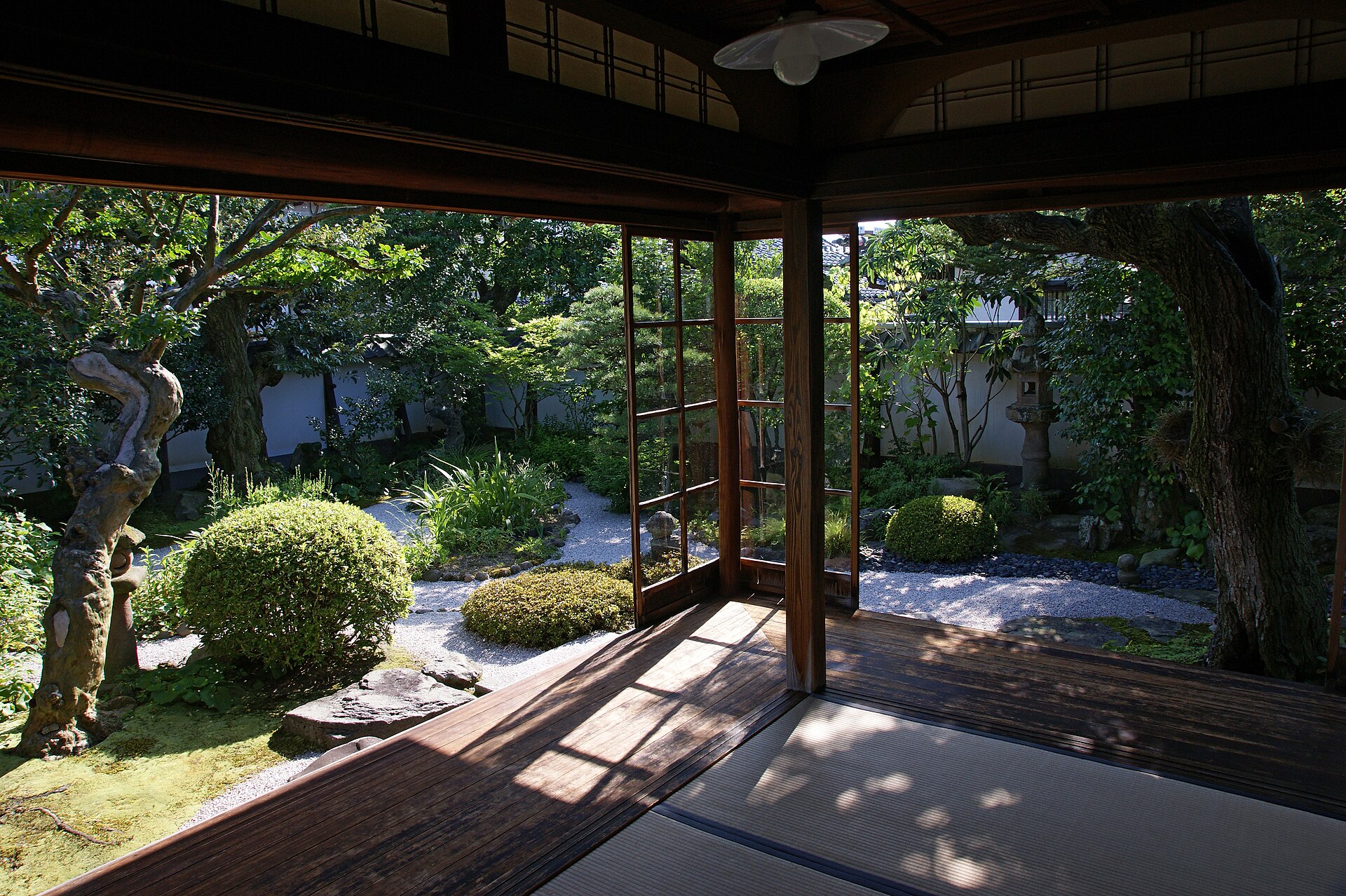
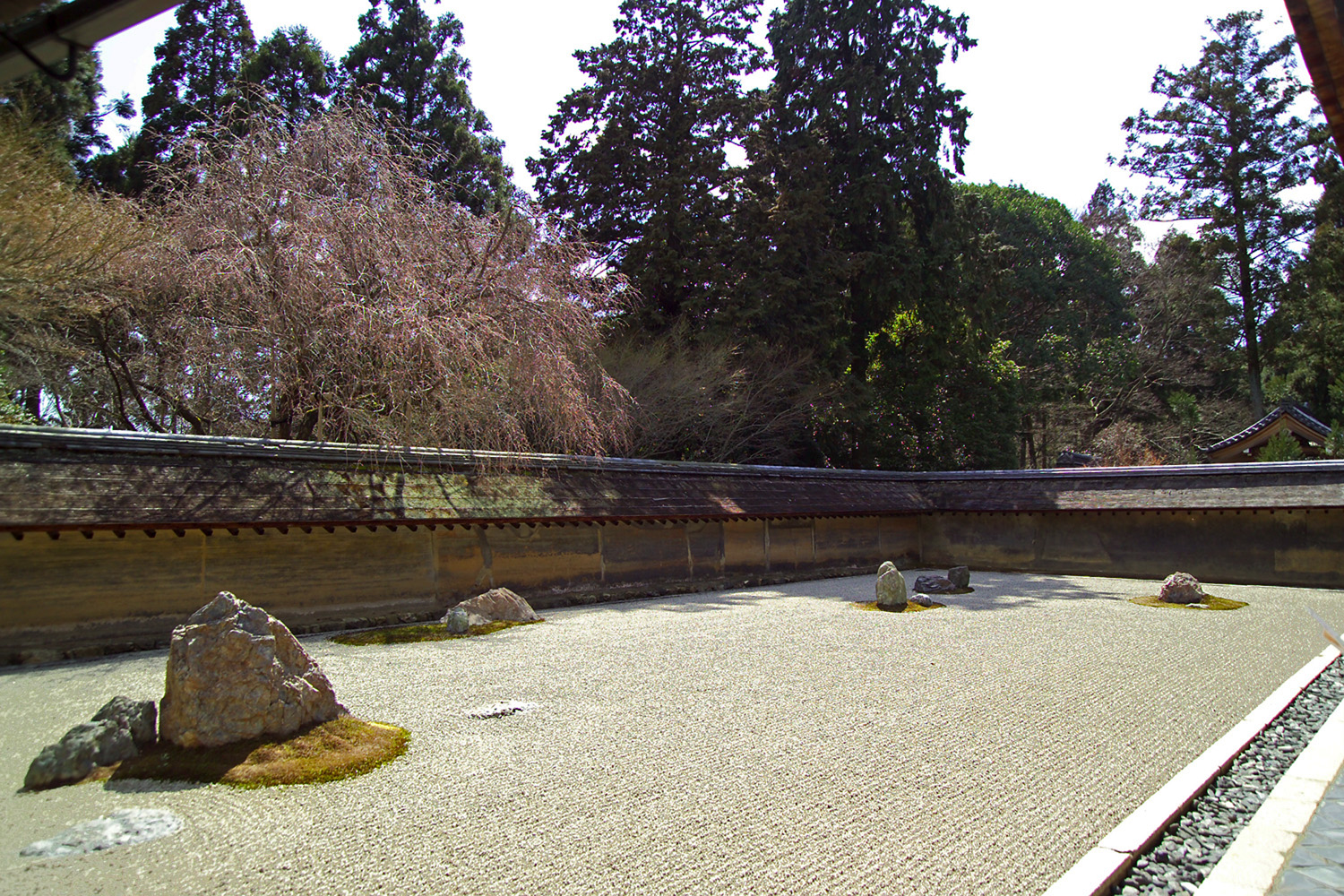
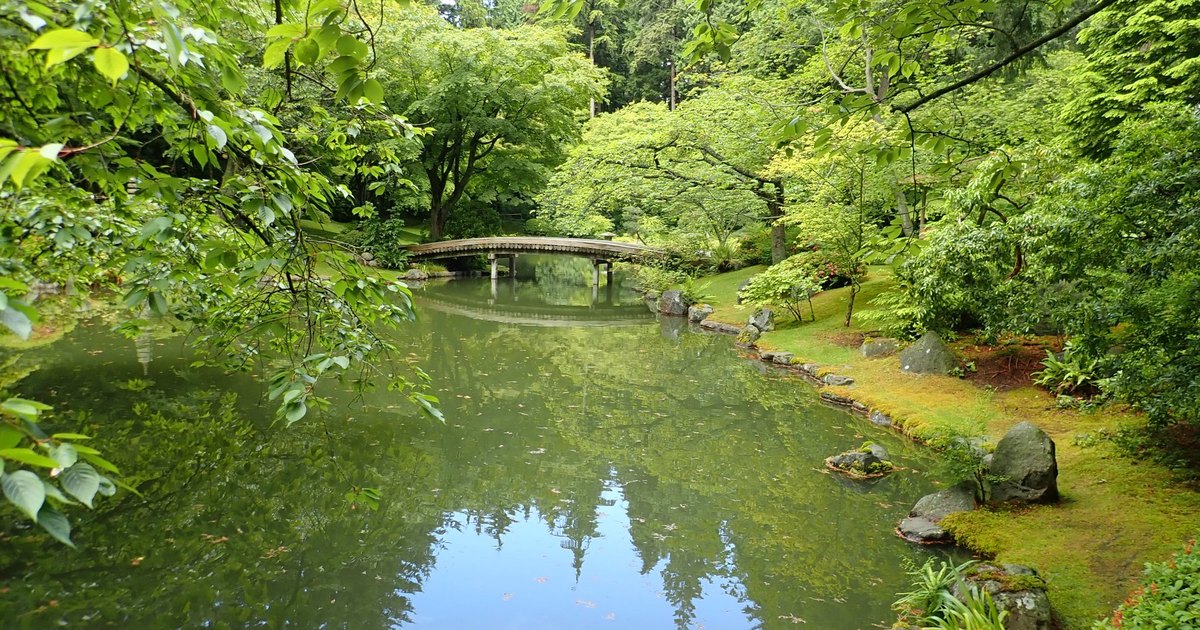
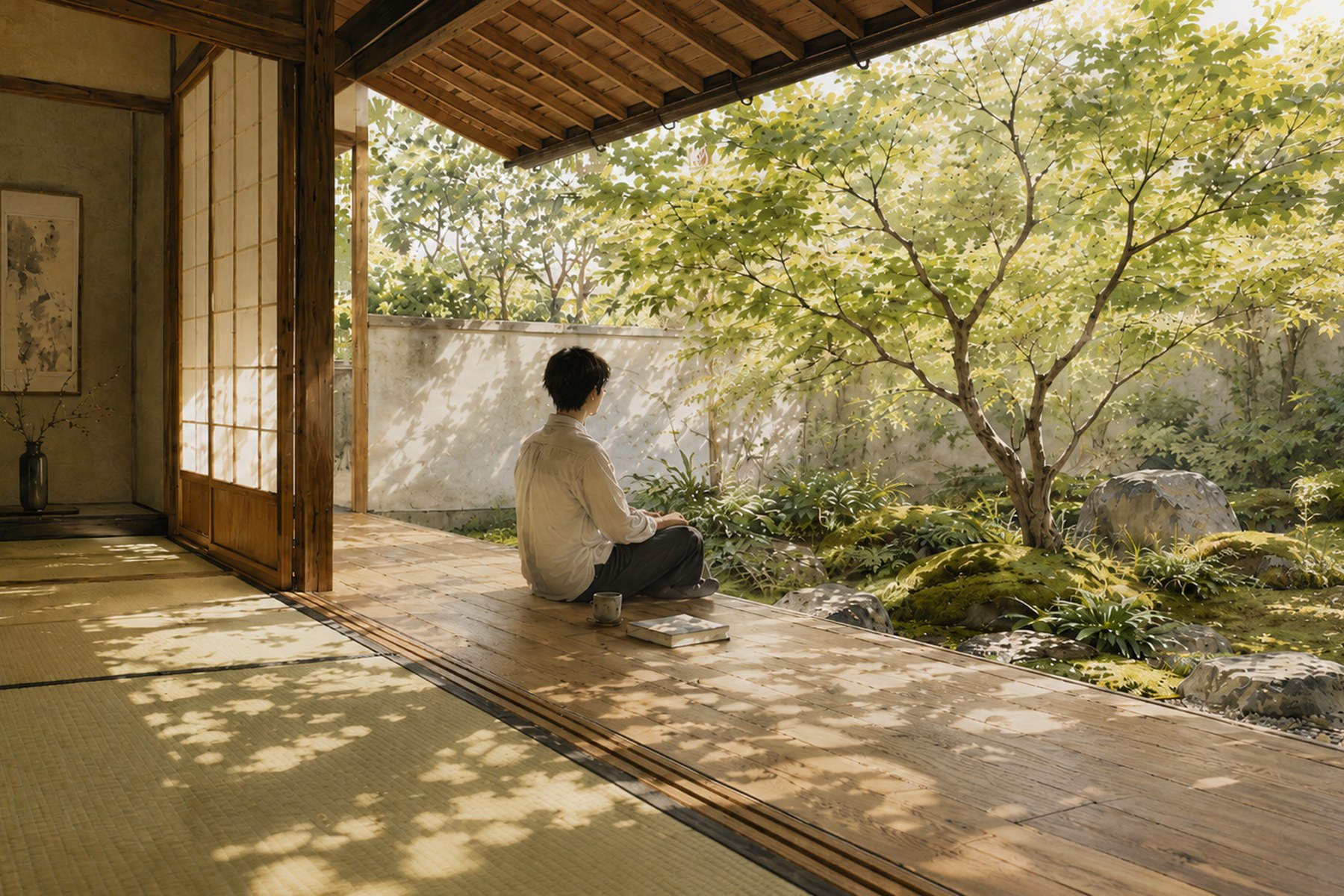
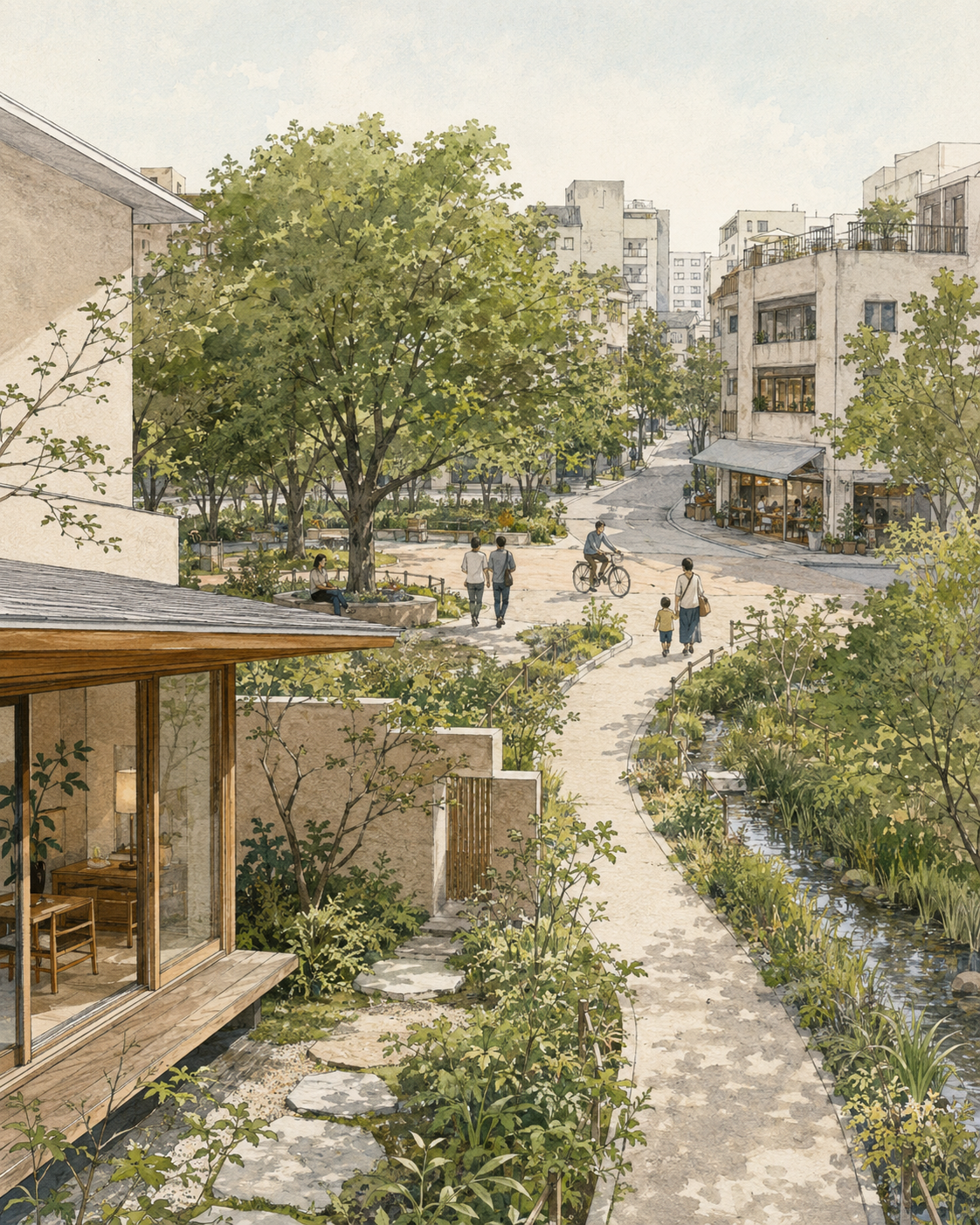
An editorial illustration of a garden, green neighborhood, and waterside path
Gardens and aesthetics Literature and cultural memory Cities and public space Stewardship Quality of life
Selected English essays

Five essays on how gardens carry meaning—through literature, memory, care, and reinvention.

Reading line 01 · Literature and the garden

Two writers, two ways of seeing the Japanese garden.

Lafcadio Hearn watched stones, cicadas, rain, dreams, and a familiar toad in Matsue. Yasunari Kawabata moved from ink painting and asymmetry to dry landscapes and a single flower. Together, they show how a garden becomes more than scenery.

Portrait of Lafcadio Hearn beside the veranda and garden of his former residence in Matsue
Garden / Literature / Cultural History · Published 2026-07-11

What Lafcadio Hearn Saw in a Japanese Garden

Stones with character, gardens with moods, and the intimate Japan he wrote for readers abroad

Hearn did not describe a garden as a still composition. In Matsue, stones, plants, cicadas, rain, dreams, and a familiar toad formed a shared world—and a way of introducing an intimate Japan to readers abroad.

Read the essay

Image: Frederick Gutekunst (Public Domain) / 663highland (CC BY 2.5); composite by Tang-Yu Life.

Reading line 02 · Meaning and stewardship

How a garden takes root abroad—and remains alive.

Nitobe Memorial Garden is read first as a work of memory and cultural translation, then through the research, pruning, teaching, and judgment required to carry a living cultural work forward.

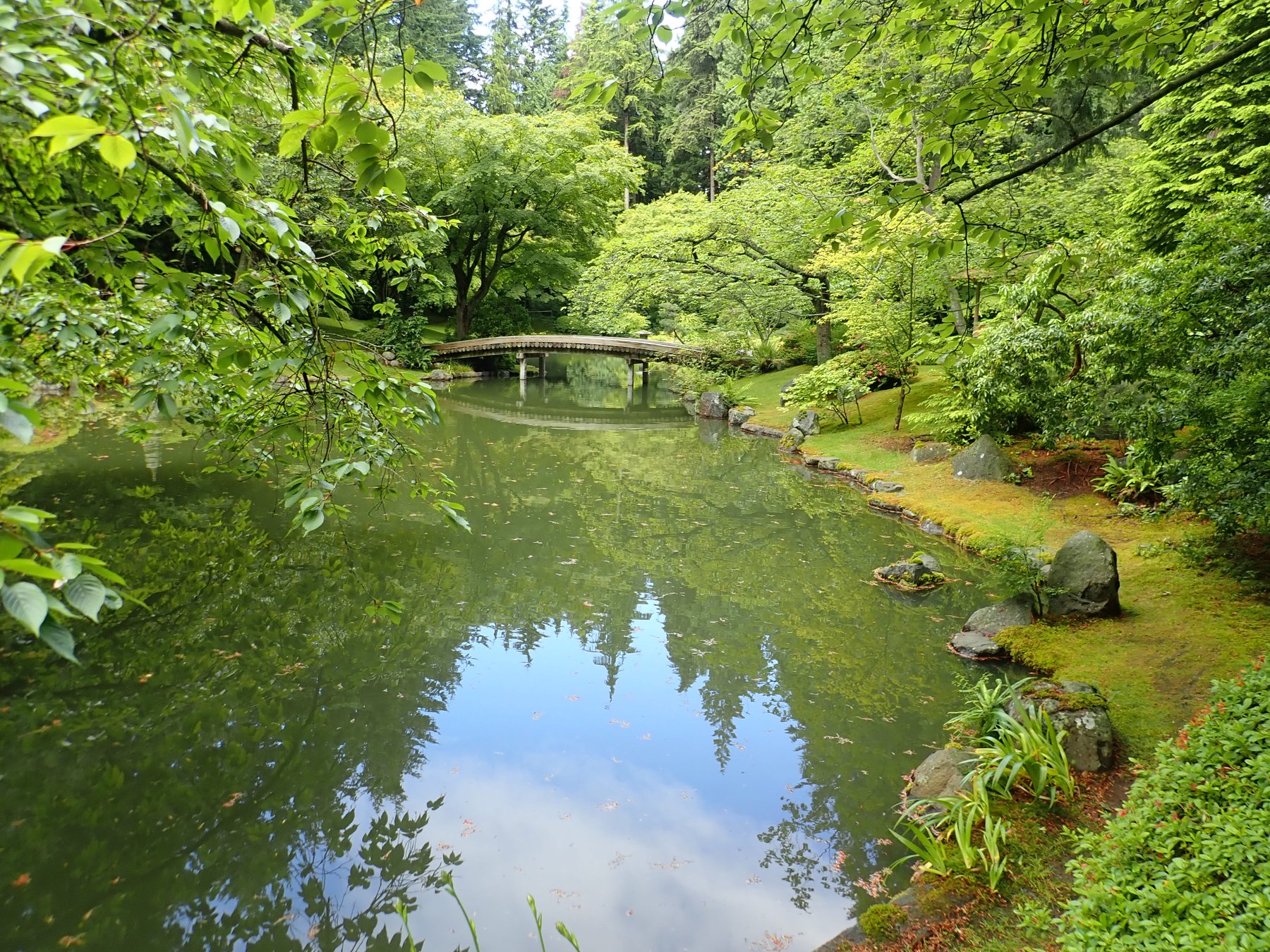
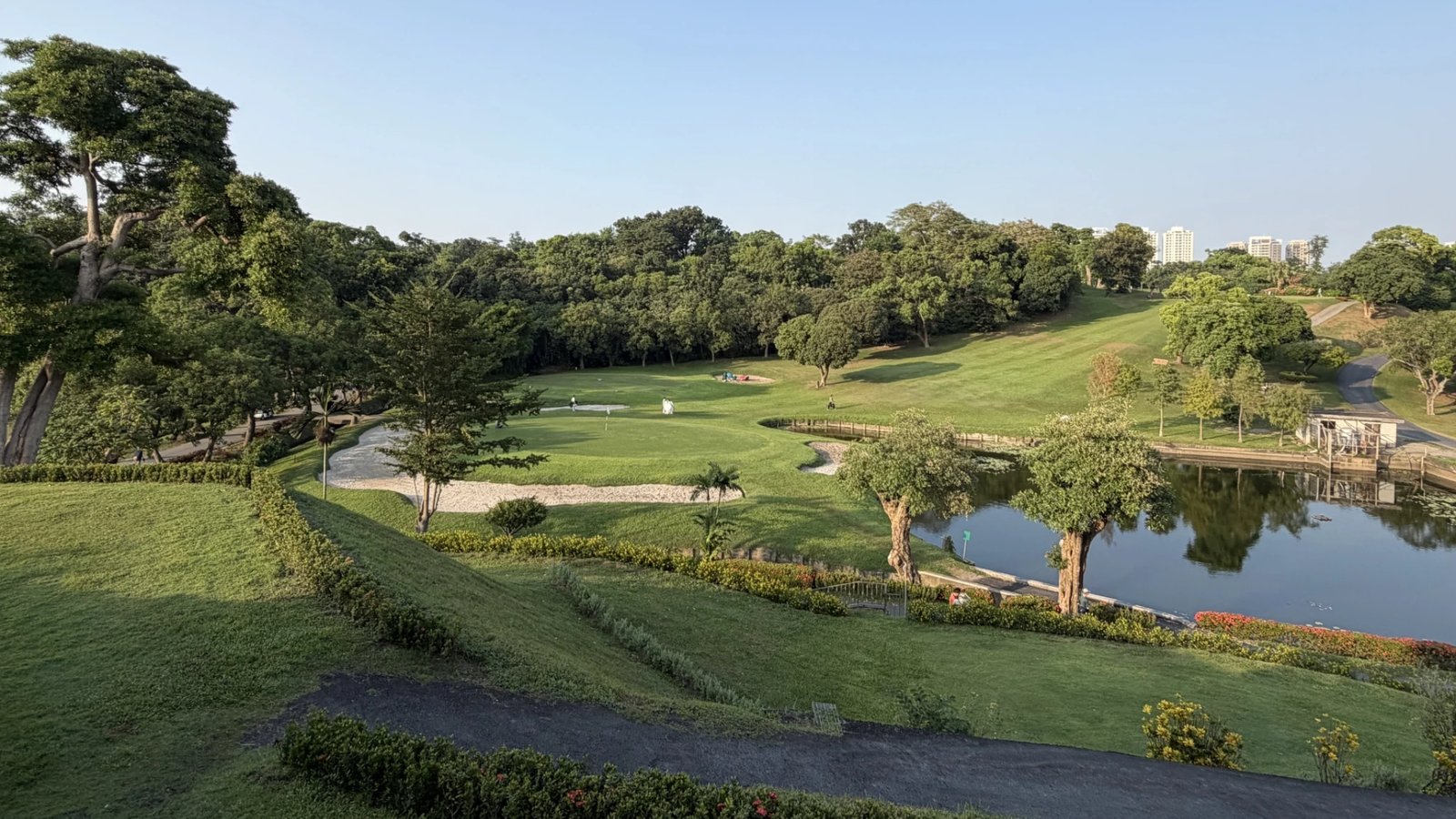
Pond, bridge, and trees at Nitobe Memorial Garden
Garden / Aesthetics / Culture · Updated 2026-06-21

The Rare Depth of Nitobe Memorial Garden

Memory, meaning, and the spirit of a Japanese garden abroad

Why does this garden feel convincing far from Japan? Bridge, path, water, lantern, pause, and return turn Inazō Nitobe’s ideal into something a visitor can walk—and into a way of looking back on one’s own life.

Read the essay
Reading line 03 · Tradition and reinvention

How can a new material enter tradition without imitating it?

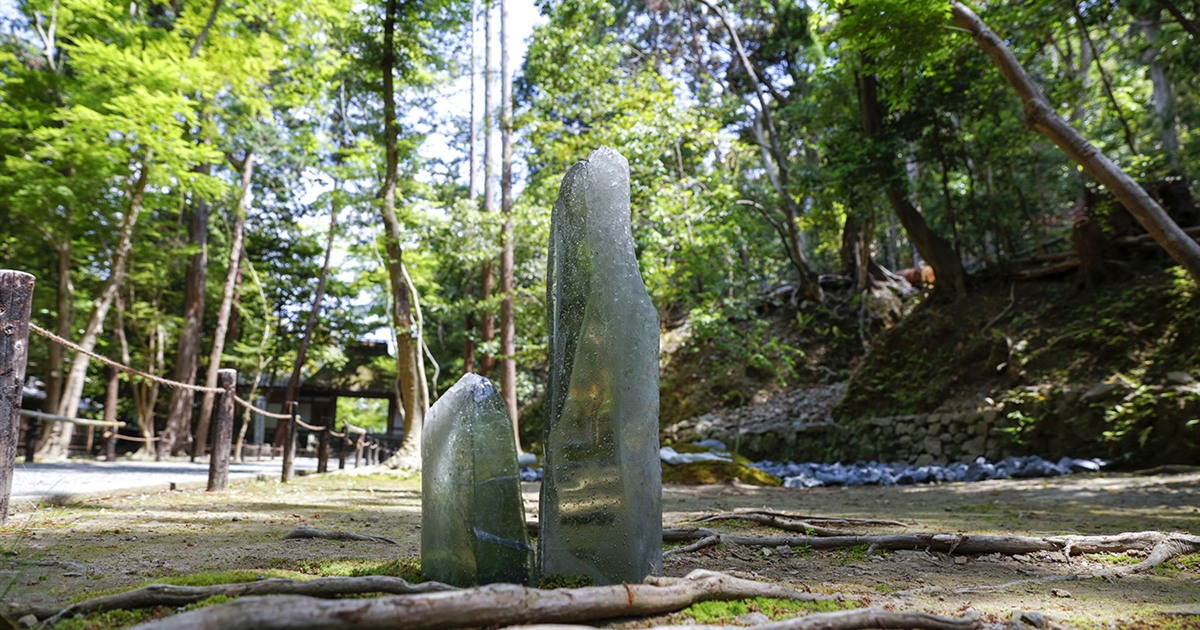
At Honen-in in Kyoto, Yukito Nishinaka places recycled glass within karesansui. Light, fracture, material memory, and renewal become a language of their own.

Glass forms, moss, trees, and the approach to Honen-in in Yukito Nishinaka’s glass karesansui
Garden / Contemporary Art / Glass · Published 2026-07-22

Yukito Nishinaka’s Glass Karesansui

Light, material memory, and a dry landscape garden at Honen-in

Glass is not a substitute for stone. Beginning with the material itself and the story of a place, Nishinaka brings light, time, fracture, and renewal into the karesansui garden.

Read the essay

Photo courtesy of Yukito Nishinaka.

About this edition

Selective, rather than mechanically translated.

Tang-Yu Life is an editorial platform published by Tangyu Development. It records observations on cities, gardens, green space, public space, cultural history, food culture, housing, and the quality of everyday life.

The English edition does not reproduce every Chinese article. Essays are adapted when their subject, context, and voice can carry well into English. The current selection begins with two deliberate pairs: Lafcadio Hearn and Yasunari Kawabata show how writers open a garden toward imagination and cultural memory; the Nitobe Memorial Garden essays ask how such meaning takes root abroad and how careful stewardship allows it to endure. Nishinaka’s glass karesansui opens a third line, asking how a new material can enter tradition without imitating it.